Lab Grown Diamond Engagement Ring: Honest Review 2026
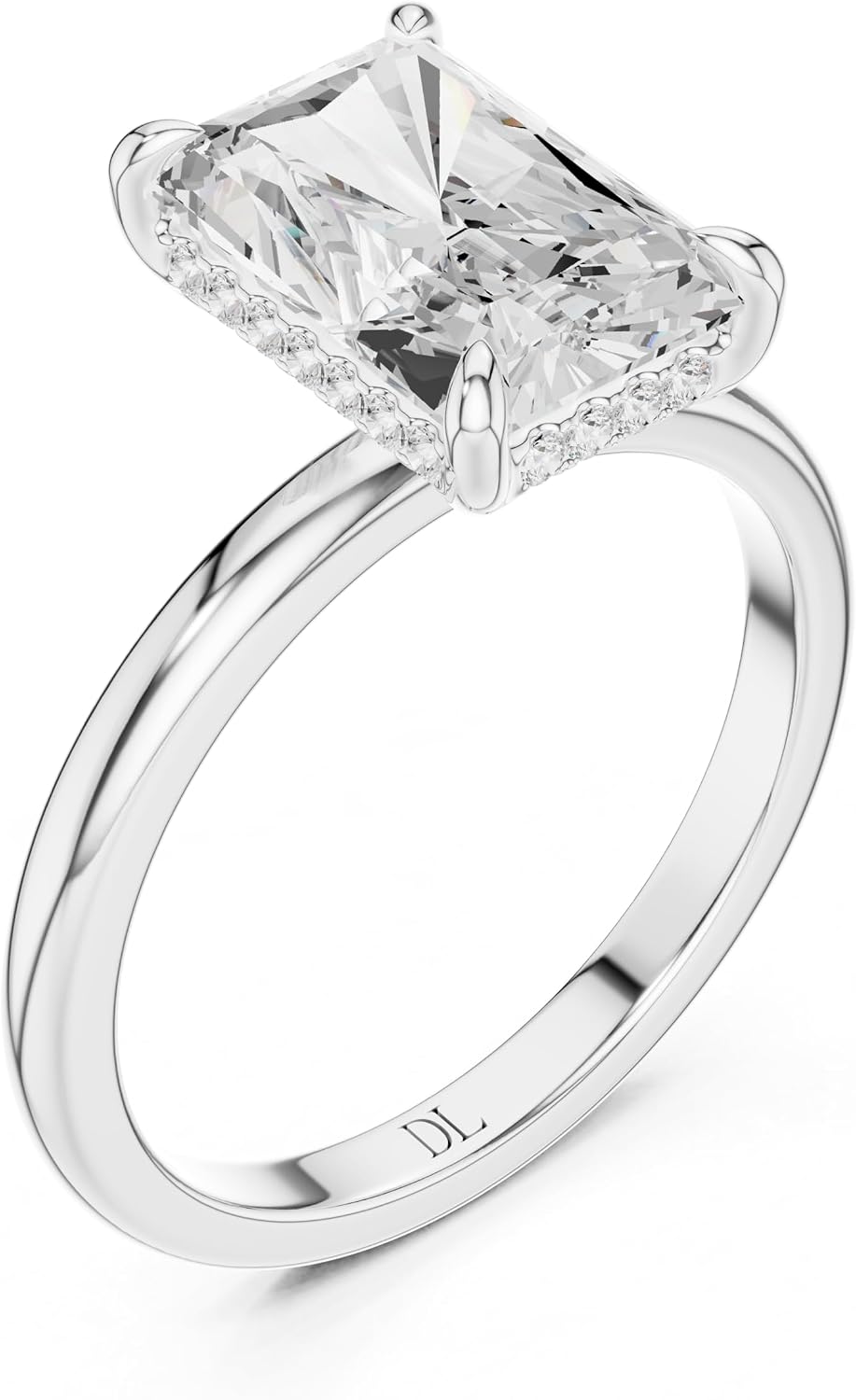
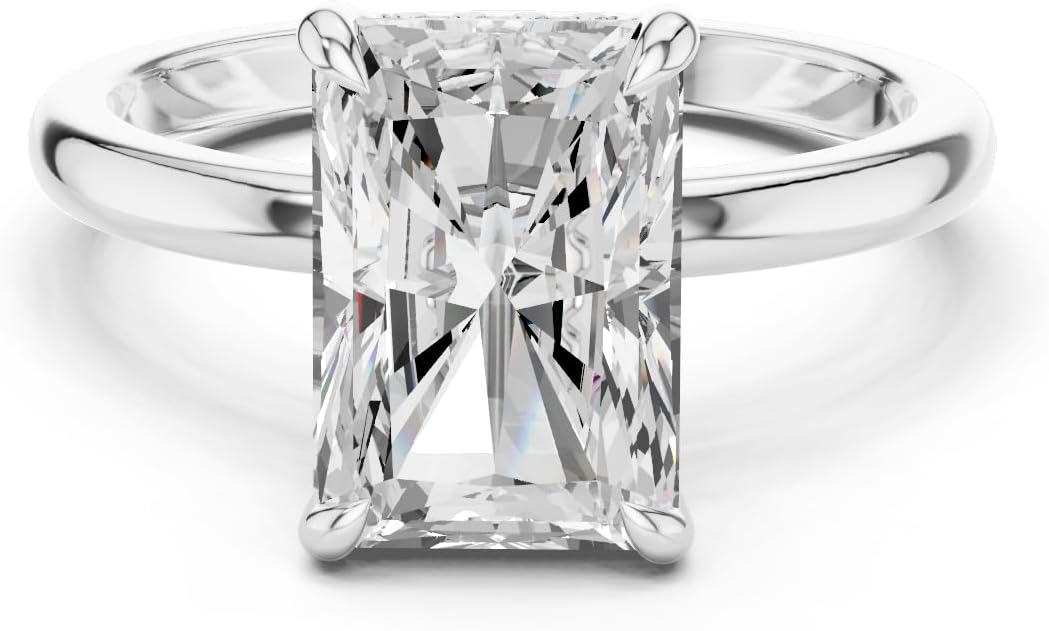
The moment I slid a lab-grown diamond onto my left hand under the fluorescent lights of my kitchen and watched it throw rainbows across the ceiling, I understood why this category is quietly rewriting the engagement ring conversation.
It was a Wednesday afternoon, the kind that smells like coffee going cold and whatever candle I lit three days ago and forgot about. I had a padded envelope on the counter and a ring box inside it, and I was already skeptical in that way you get when something arrives and you realize the next few hours will either confirm your instincts or embarrass them. I pulled out the **DIAMSLAND 1 to 10 Carat Lab Grown Diamond Engagement Ring** and set it on the white tile, and I just looked at it for a second. The stone caught the overhead light and fractured it into something I was not prepared for. I picked it up. I put it on. And then I stood there, alone in my kitchen, tilting my hand back and forth like an absolute person.
The First Time I Saw the DIAMSLAND Lab-Grown Diamond Ring
I had been deep in a rabbit hole of engagement ring research, the kind that starts with one sensible tab and ends with seventeen, when a listing for this ring stopped me mid-scroll. It was the combination of specifics that got me: IGI certification, D-E color range, VVS2 clarity, customizable carat weight from one all the way to ten, and a choice between 14K and 18K gold in three finishes. That is not a typical set of options at this price point. Most rings in this tier ask you to compromise on at least one of those variables. This one did not seem to.
I had been reading about the 2026 fine jewelry trend landscape and the way lab-grown diamonds were shifting from “affordable alternative” to the actual preference of a new generation of buyers. That framing stuck with me. It made me want to see whether this specific ring lived up to the category’s momentum, or whether it was another piece that looked better on screen than on skin.
How This Lab-Grown Diamond Engagement Ring Actually Wears
The ring is substantial without being heavy in the way that becomes uncomfortable by hour three. The band sits flush against the finger, and the high-polish finish on the gold, whether you go white, yellow, or rose, does exactly what a high-polish finish is supposed to do: it disappears into the light and lets the stone do all the talking. The stone, for its part, is genuinely remarkable. The D-E color range means you are looking at a diamond that reads colorless to the naked eye, and the VVS2 clarity means you are not going to find inclusions without a loupe and a lot of patience.
“A VVS2 lab-grown diamond at this color grade shouldn’t look this alive. And yet here we are, standing in a kitchen, tilting our hand.”
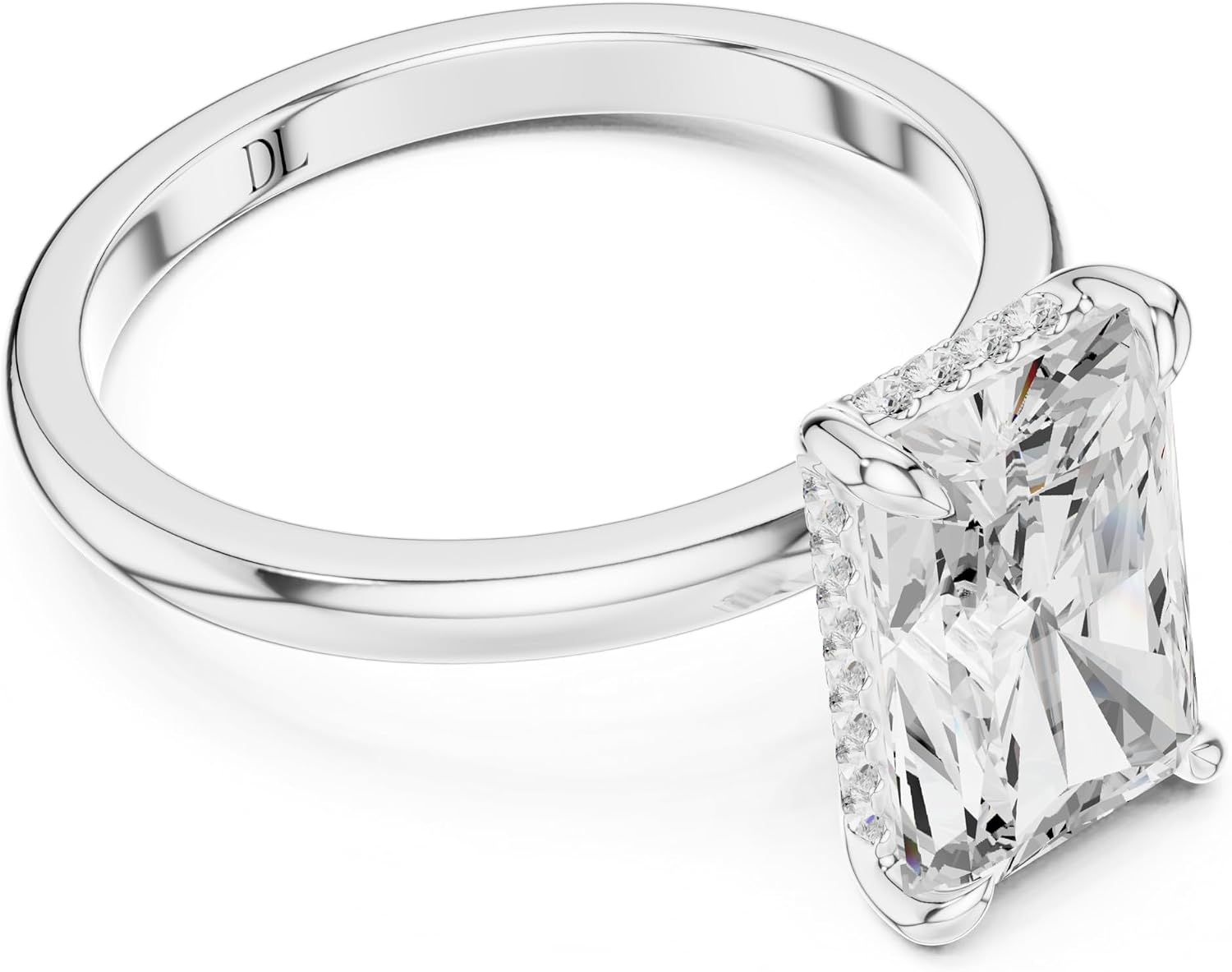
The prong setting holds the stone with the kind of confidence that makes you trust it immediately, which matters more than people admit when you are wearing something every single day. I will say that the customization process requires a conversation with the brand rather than a simple dropdown at checkout, which adds a step. If you are someone who wants to complete a purchase entirely on your own timeline at midnight, plan for a short back-and-forth. It is worth it, but it is worth knowing. According to current fine jewelry reporting, that kind of made-to-order model is actually becoming the norm in the certified diamond space, so this is less a quirk and more a category standard.
The Outfits I Wore This Engagement Ring With
Look 1: Saturday Farmers Market, Zero Effort
Linen trousers, a white tank top, and slides. Hair up, sunglasses on, a canvas tote over one shoulder. I wore the ring in yellow gold at this weight and it looked, genuinely, like something I had owned for years. It did not read “special occasion.” It read “this is just what my hand looks like.” I had two people ask about it before I made it to the bread stand, and one of them specifically asked if it was natural or lab-grown, which tells you something about how the conversation around lab-grown diamond rings has shifted in the last few years. People are curious now, not skeptical.
Look 2: Thursday Work Dinner, Nice Restaurant
A black midi dress, pointed-toe heels, small gold hoops. The rose gold version of this ring is the one I reached for here, and it was the right call. Against a darker outfit, the warm tone of the rose gold and the brightness of the stone created a contrast that felt intentional without being overdone. I stacked it with a thin plain band on the same finger, just to see, and it worked. The profiles are slim enough to sit together without creating bulk. By the time the appetizers arrived I had stopped noticing it was there, which is the highest compliment I can give a ring.
Look 3: Sunday at Home, No Audience
This is the truest test. An oversized sweater, bare feet, doing nothing in particular. I kept the white gold version on because I had forgotten to take it off, and I caught myself looking at it approximately four times while making toast. The high-polish finish holds up under that kind of domestic lighting, the flat overhead kind that is not flattering to anything. The stone still had fire. That is the thing about a D-E color, VVS2 stone: it does not need ideal conditions to perform.
What People Are Saying About This Lab-Grown Diamond Ring
The ring currently holds a perfect score across its reviews, which, with a relatively small number of ratings, means you are looking at a self-selecting group of buyers who were motivated enough to come back and say something. That is actually a meaningful signal. Satisfied customers who feel neutral do not tend to return to leave five stars. The ones who do are usually the ones who felt something.
Reading through the feedback, the phrases that repeat are ones like “better than expected” and “exactly as described,” which in the context of a customizable, certified diamond ring is the baseline you need. For a fine jewelry purchase at this level, “exactly as described” is not faint praise. It means the IGI certificate matched what arrived in the box. That is the whole game.

Who Should Skip This Lab-Grown Diamond Engagement Ring
If you want something with an antique or vintage silhouette, a rose-cut stone, or a non-solitaire setting like a halo or a three-stone design, this is not your ring. The classic solitaire profile is beautiful, but it is a specific aesthetic, and it does not suit everyone. If you are someone who wants to walk into a local jeweler, try on four options, and leave with a box the same day, the made-to-order nature of this ring will frustrate you. And if you are committed to a mined stone for personal or sentimental reasons, no amount of IGI certification is going to change that, and it should not have to. **This ring is for the person who knows what they want and is willing to spend a few days getting it made right.**
What This Ring Replaces in My Jewelry Collection
I had a family heirloom-style ring that I wore on my right hand for years, a slightly yellowed old European cut in a prong setting that had been cleaned so many times the prongs were starting to soften. I loved it, but I had been quietly aware that it was not the everyday piece it used to be. **This DIAMSLAND ring did something I did not expect: it made me reconsider what “investment” means in the context of jewelry.** The heirloom had sentimental value. This has optical and documented material value, a certificate, a report card, a stone grade that can be verified. Both things can be true at once, and I have started wearing both, but the new one is doing the daily work. Explore our full guide to fine rings if you are still figuring out which style direction makes sense for you, or browse stackable ring options if you are thinking about how to build around a center stone like this one.
FAQ
Is the DIAMSLAND lab-grown diamond ring available in my ring size?
The ring is made to order, which means sizing is part of the customization conversation you have directly with the brand before production begins. This is actually an advantage: you are not choosing from a set of standard sizes and hoping for the best.
Will this lab-grown diamond ring tarnish or lose its finish over time?
The high-polish gold finish, in either 14K or 18K, will develop minor surface scratches with daily wear, as all polished metal does. A jeweler can re-polish the band periodically. The stone itself will not change. Lab-grown diamonds do not cloud, discolor, or degrade differently than mined diamonds.
Can I wear this engagement ring every day without damaging the stone?
Yes. Diamonds, lab-grown or otherwise, rank a 10 on the Mohs hardness scale, which means they are the hardest naturally occurring material. Daily wear is exactly what this ring is designed for. Remove it for heavy manual work or chemical exposure, as you would any fine ring.
Does the quality of this ring match what the IGI certification promises?
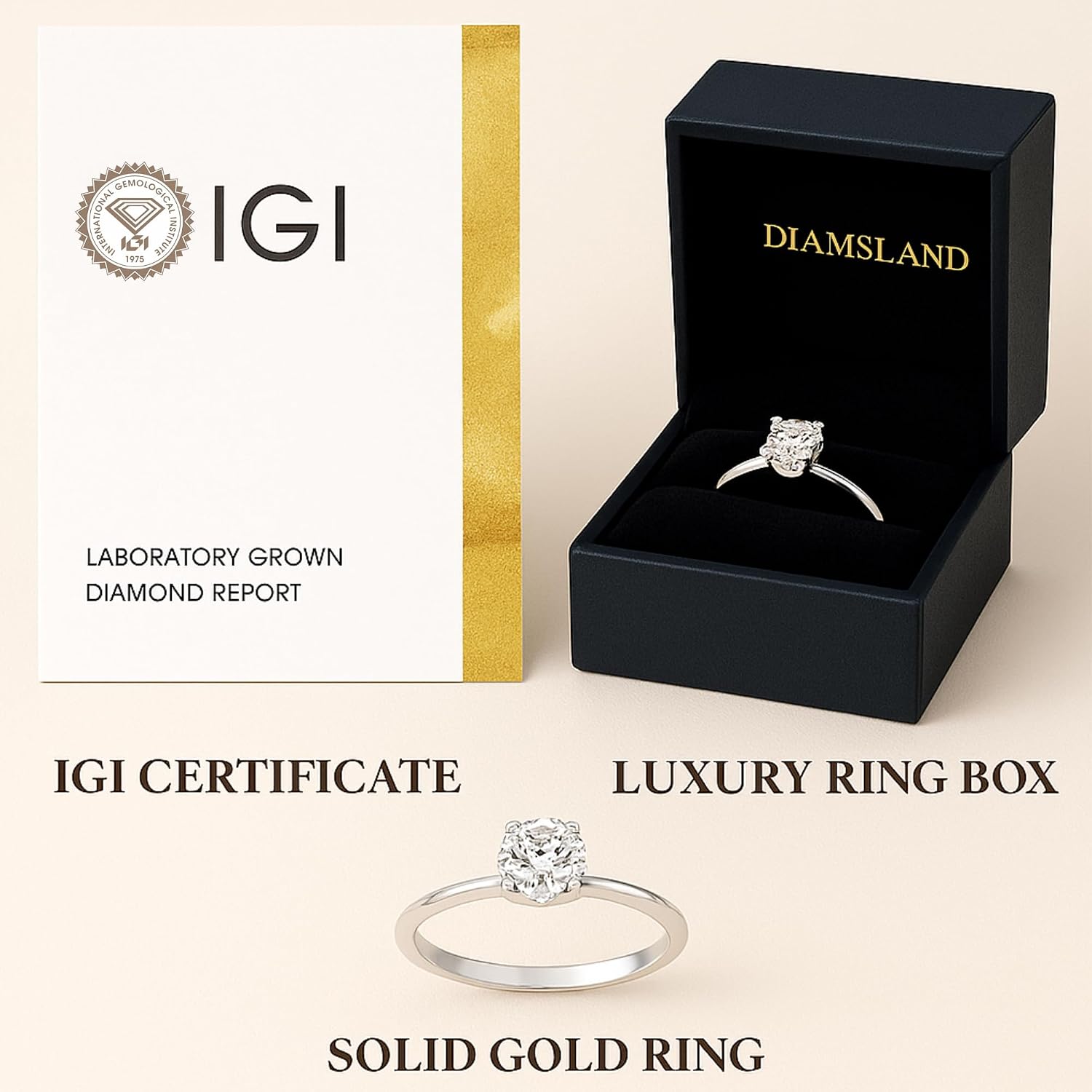
Based on my time with the piece, yes. The stone reads exactly as a D-E color, VVS2 clarity stone should: bright, lively, and visually clean at every angle. The inclusion of a gold purity XRF report card alongside the IGI certificate adds a layer of transparency that is not standard across the industry, and it meaningfully raises the bar for what “verified” looks like in this category. **For what you’re paying, the level of documentation alone sets this apart from most competitors.**
Is this ring a good option for people with metal sensitivities?
14K and 18K gold alloys vary in their additional metal content, and some individuals with nickel sensitivities may react to certain alloys. It is worth asking the brand directly about the specific alloy composition before ordering, particularly if you have had reactions to gold jewelry in the past. The 18K option has a higher pure gold content and is generally better tolerated by sensitive skin.
Final Verdict on the DIAMSLAND Lab-Grown Diamond Engagement Ring
I am going to picture myself wearing this ring six months from now, at something ordinary. A dinner party where I am not the one getting engaged. A Tuesday where the light in the kitchen is exactly the same as it was the afternoon it arrived. And I think the stone is still going to do that thing where it catches the light and throws it somewhere unexpected, and I am still going to notice. That is not nothing. According to the broader jewelry conversation happening right now, the lab-grown diamond category is no longer asking for permission or justification. Pieces like this one are why. The customization options, the IGI certification, the XRF gold purity report, the D-E color and VVS2 clarity, these are not approximations of fine jewelry standards. They are fine jewelry standards. If you are in the market for an engagement ring that can be tailored to exactly what you want and comes with the paperwork to back it up, this is a serious option worth the conversation. Browse our curated gift ideas for other certified fine jewelry picks, or look at statement ring alternatives if a classic solitaire is not quite the direction you are going. **The DIAMSLAND lab-grown diamond engagement ring is the rare piece that delivers on every specific thing it promises, and in fine jewelry, that specificity is everything.**
As an Amazon Associate I earn from qualifying purchases.